


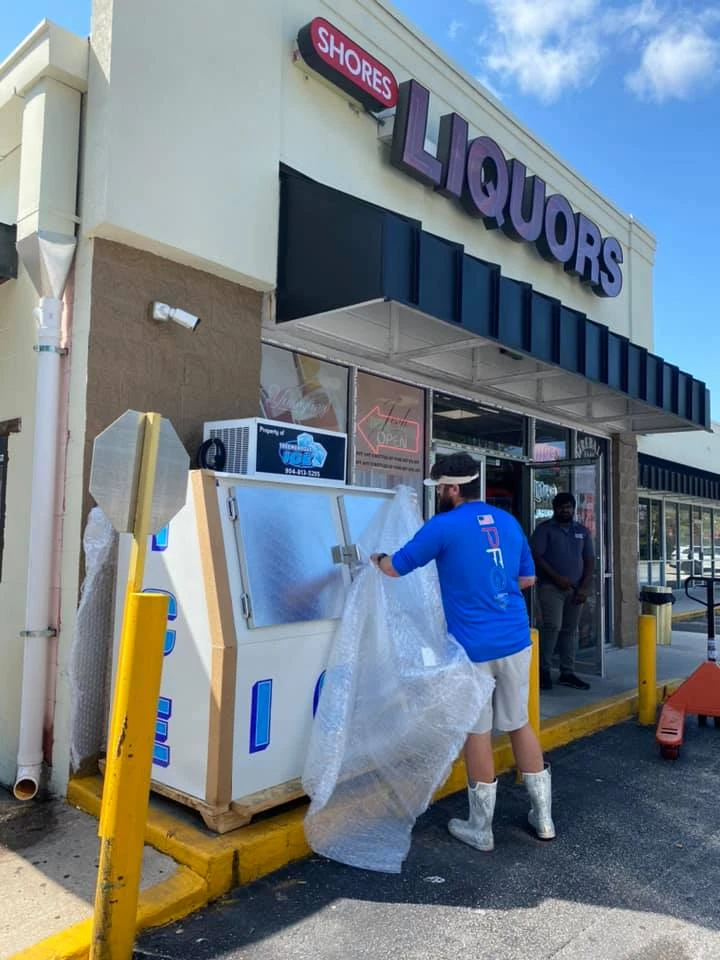

Many people assume all ice is safe — but that’s not always the case. Ice is considered food, and improper production or handling can pose serious health risks to customers and businesses alike.
What Is Food-Grade Ice?
Food-grade ice is produced using potable water and handled according to strict sanitation and safety standards. This includes clean equipment, proper storage, and contamination prevention throughout the process.
Why Food-Grade Ice Matters
- Protects customers from bacteria and contaminants
- Supports food safety compliance
- Preserves beverage quality and taste
- Reduces liability for businesses
Common Ice Safety Risks
Ice can become contaminated through dirty storage bins, improper handling, or exposure during transport. Using non-food-grade ice for drinks or food service can lead to serious safety violations.
Proper Ice Handling Best Practices
- Store ice in clean, covered containers
- Use dedicated scoops — never hands or cups
- Keep ice separate from raw food or chemicals
- Rotate inventory to maintain freshness
Why Professional Ice Delivery Helps
Reliable ice suppliers follow strict food safety protocols from production to delivery, giving businesses peace of mind and consistent quality.
Ice may look simple, but safety standards behind it matter more than most realize.
